

Culture
What is duende? Why technique is sometimes not enough in flamenco
Flamenco has technique, structure and discipline. Duende names something harder to measure: the moment a performance seems to exceed the rules that made it possible.
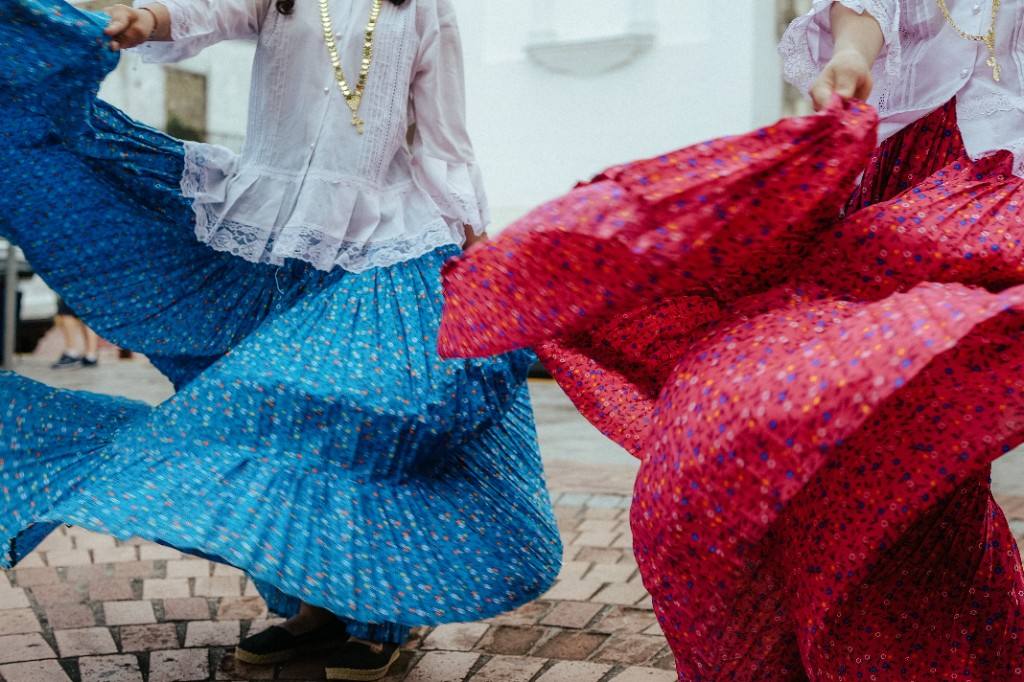
Duende is one of those words that becomes less useful the more confidently it is translated. It is sometimes described as soul, spirit, trance or inspiration, but none of those is an exact equivalent. In flamenco, the term is often used for a performance that feels unusually alive — not because technique disappears, but because technique no longer seems to be the main thing we are watching.
Flamenco begins with structure, not mystery
UNESCO describes flamenco through three central elements: cante, the song; baile, the dance; and toque, the art of guitar playing. Hand-clapping, footwork and other forms of rhythmic support may also enter the performance. This is a highly organised art, not spontaneous emotion without rules.
Rhythm, phrasing, repertoire, bodily control and musical listening all require long practice. A dancer needs technique to place force and silence precisely; a singer needs control to shape a line; a guitarist has to support and respond rather than simply decorate. The freedom audiences feel is built on discipline.
That is exactly why duende is interesting. It is not the opposite of technique. It is a way of describing what can happen after technique has become secure enough to stop calling attention to itself.
Lorca made the word larger
The word existed before Federico García Lorca, but his lecture commonly known as ‘Theory and Play of the Duende’ gave it a powerful modern artistic meaning. Lorca did not treat duende as a certificate awarded only to flamenco. He used it as an aesthetic idea for the force, risk and transformation that can appear in live art.
That distinction matters because duende is sometimes marketed as if it were a measurable substance hidden inside ‘authentic Spanish culture’. Lorca’s idea is less convenient and more interesting. It concerns what happens in the act of performance — something created, contested and felt in the present.
This also means there is no reliable checklist. Volume does not equal duende. Dramatic facial expression does not equal duende. Speed, virtuosity and visible suffering do not guarantee it either.
Duende is useful precisely because it names a quality we can feel more easily than we can score.
The performance can change without changing the piece
Live flamenco depends on attention between performers. A singer may stretch a phrase; a guitarist may leave more space; a dancer may delay a movement until the tension becomes almost uncomfortable. None of those choices necessarily changes the basic form, yet they can radically change how the performance feels.
This is one reason improvisation and responsiveness matter so much in flamenco. The performers are not independent specialists delivering parallel parts. They listen, provoke and adjust. When the exchange becomes unusually concentrated, the audience may experience the result as something that could not simply be repeated the same way the next night.
Calling that duende is an interpretation, not a diagnosis. But the word can direct attention toward the living relationship inside the performance rather than toward spectacle alone.
Duende does not mean ‘more Spanish’
Flamenco is deeply associated with Andalusia and with communities — especially Gitano communities — that played an essential role in its development. UNESCO also notes roots beyond Andalusia, including Murcia and Extremadura. Its history is therefore richer than the tourist shorthand of one costume, one region and one emotional stereotype.
Duende should be treated with the same care. It is not proof that a performance is culturally purer than another. Modern flamenco lives on theatre stages, in peñas, festivals, private celebrations and experimental collaborations. Technique, tradition and innovation can coexist.
A quieter performance can have duende; an explosive one may not. The idea becomes useful when it helps us pay attention, and unhelpful when it becomes another label for deciding who is authentic enough.
What might be worth watching?
If you are seeing flamenco live, it can be more rewarding to look for attention than for drama. Watch how the performers react to one another and how tension is built before the obvious climax.
- Notice when the guitarist follows the singer and when the relationship reverses.
- Listen for pauses and held-back phrases, not only for speed.
- Watch how footwork sits inside the rhythm rather than counting how fast it is.
- Pay attention to the room: audience response can become part of a live performance.
Related
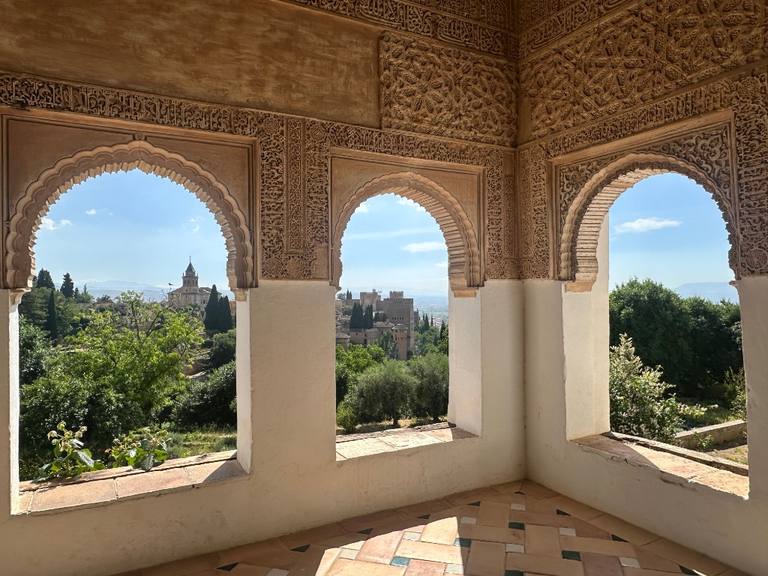
Why is Islamic heritage still so visible in southern Spain?
Córdoba, Seville and Granada preserve different layers of Al-Andalus. The legacy is visible not because one style survived unchanged, but because later cities kept building with, over and around what came before.
Read →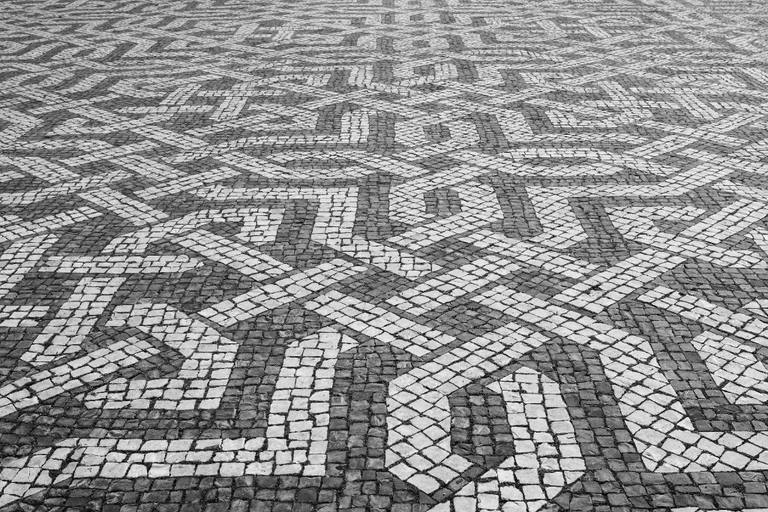
Why are Lisbon’s pavements black and white?
Calçada Portuguesa turns paving into a craft. Small pieces of stone, laid by hand, create patterns that have become part of the visual language of Lisbon and other Portuguese cities.
Read →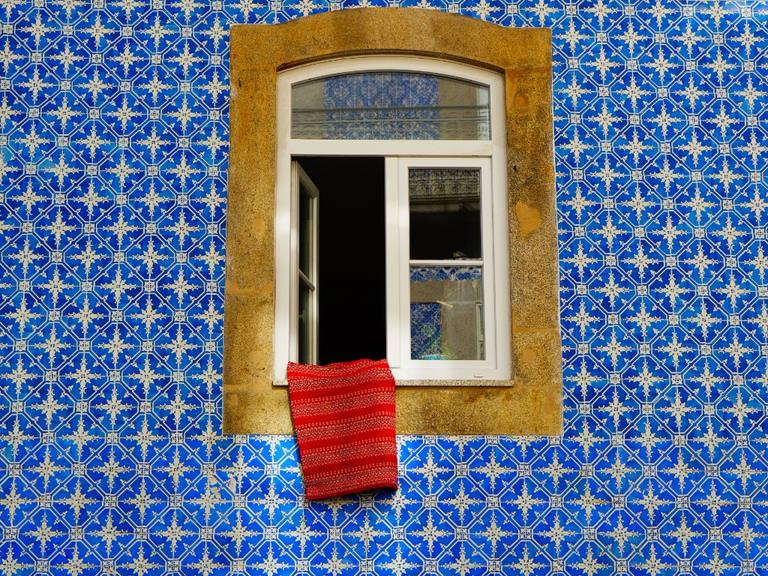
Why is Lisbon covered in tiles?
Azulejo is more than decoration. Over centuries, glazed tiles became part of Portugal’s architectural language — sometimes geometric, sometimes narrative, and still very much present in Lisbon’s everyday streets.
Read →