

Blog
Short notes on cities, places, history, architecture and everyday life across Portugal and Spain.
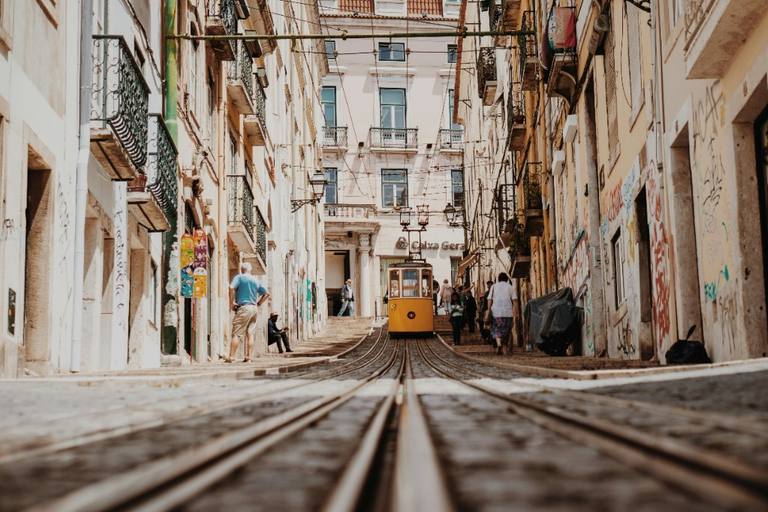
Why did Lisbon become a different city after 1755?
The earthquake, fires and tsunami of 1 November 1755 devastated Lisbon. The reconstruction that followed did something equally lasting: it changed the way the lower city was planned, built and walked.
Read →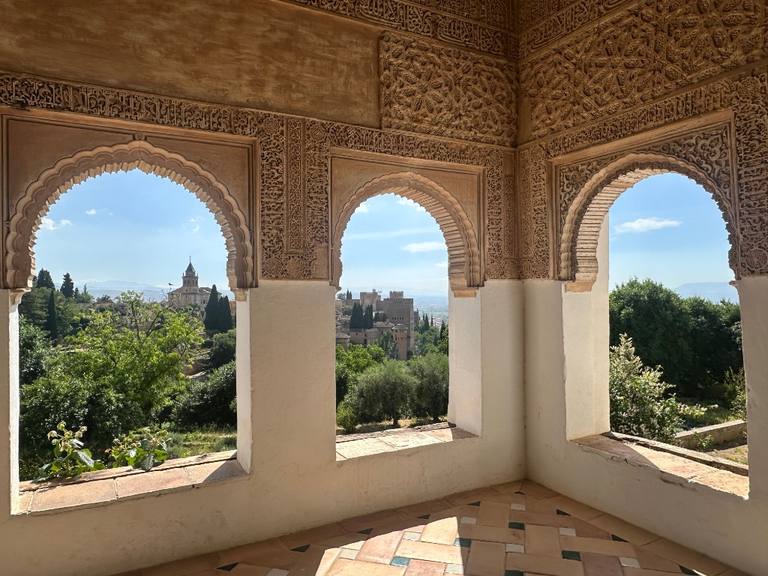
Why is Islamic heritage still so visible in southern Spain?
Córdoba, Seville and Granada preserve different layers of Al-Andalus. The legacy is visible not because one style survived unchanged, but because later cities kept building with, over and around what came before.
Read →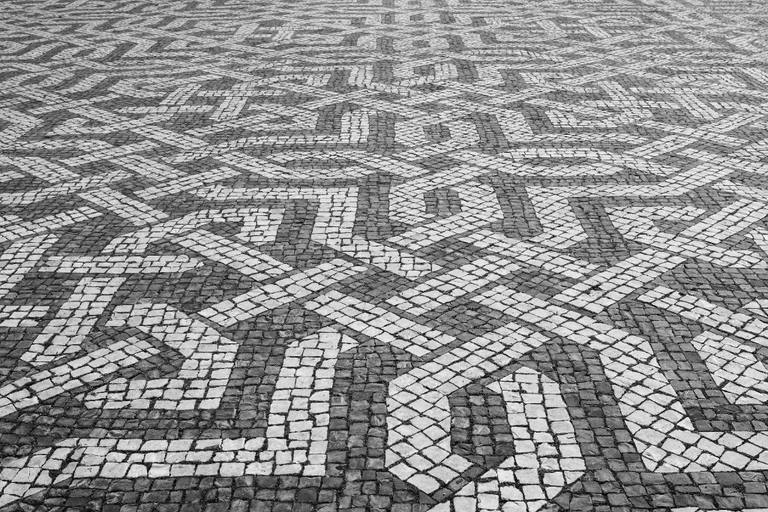
Why are Lisbon’s pavements black and white?
Calçada Portuguesa turns paving into a craft. Small pieces of stone, laid by hand, create patterns that have become part of the visual language of Lisbon and other Portuguese cities.
Read →
One peninsula, two different stories
Portugal and Spain share geography, long stretches of history and many cultural layers. What they do not share is one national story. Their differences make more sense when we look at how each political centre formed, expanded and remembered itself.
Read →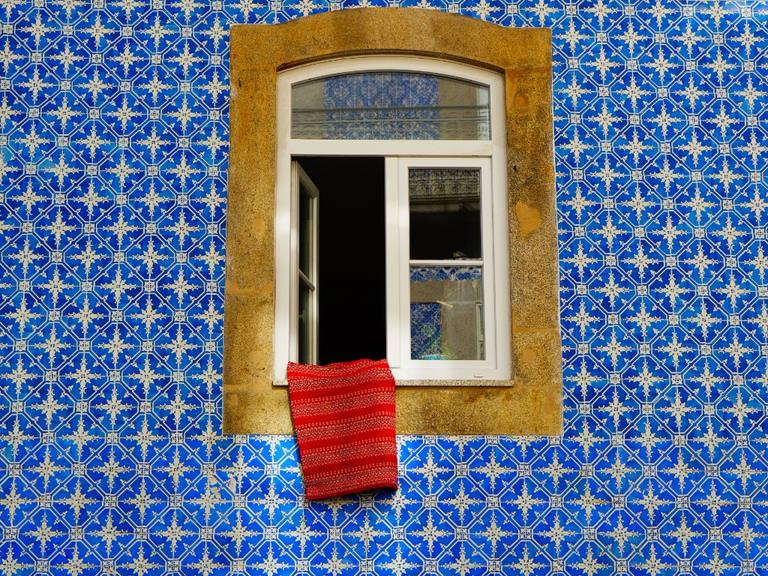
Why is Lisbon covered in tiles?
Azulejo is more than decoration. Over centuries, glazed tiles became part of Portugal’s architectural language — sometimes geometric, sometimes narrative, and still very much present in Lisbon’s everyday streets.
Read →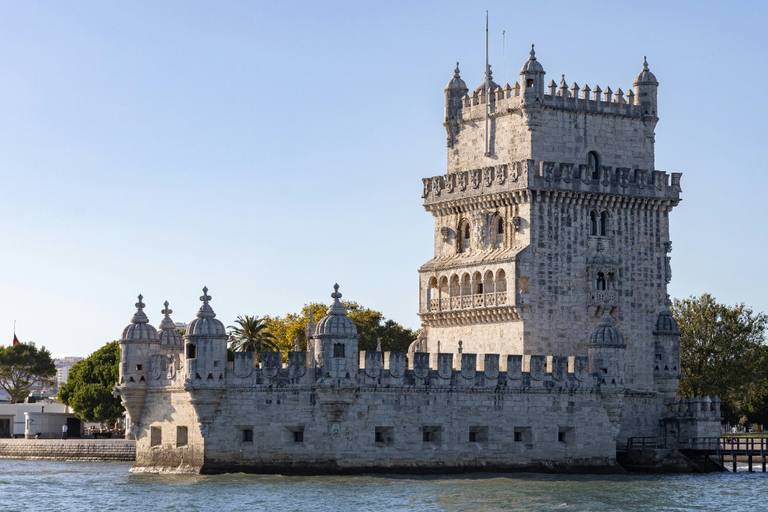
Why is Belém Lisbon’s memory of the sea?
At Belém, Lisbon’s maritime expansion became architecture. The monastery, tower and later monuments tell not only how Portugal went to sea, but how those voyages were remembered — and what that memory leaves out.
Read →
Is saudade enough to understand fado?
Fado and saudade are often placed side by side, as if one word could explain an entire musical tradition. Saudade helps — but Lisbon’s fado is also a performance, an urban history and a way of turning ordinary experience into song.
Read →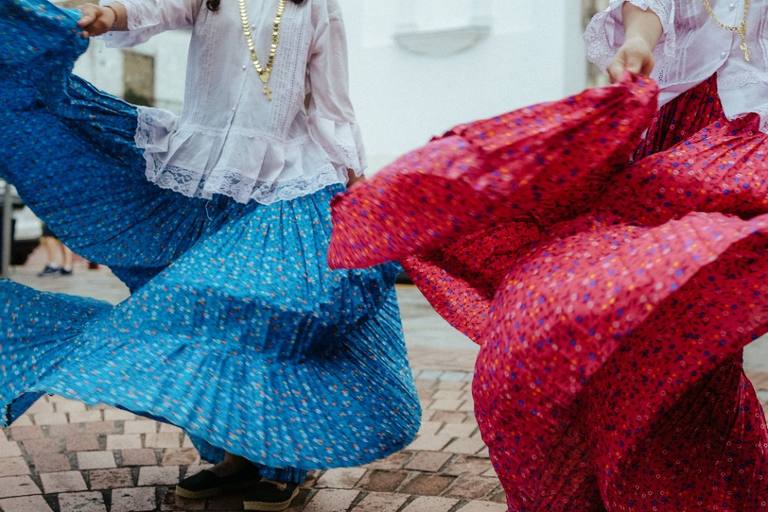
What is duende? Why technique is sometimes not enough in flamenco
Flamenco has technique, structure and discipline. Duende names something harder to measure: the moment a performance seems to exceed the rules that made it possible.
Read →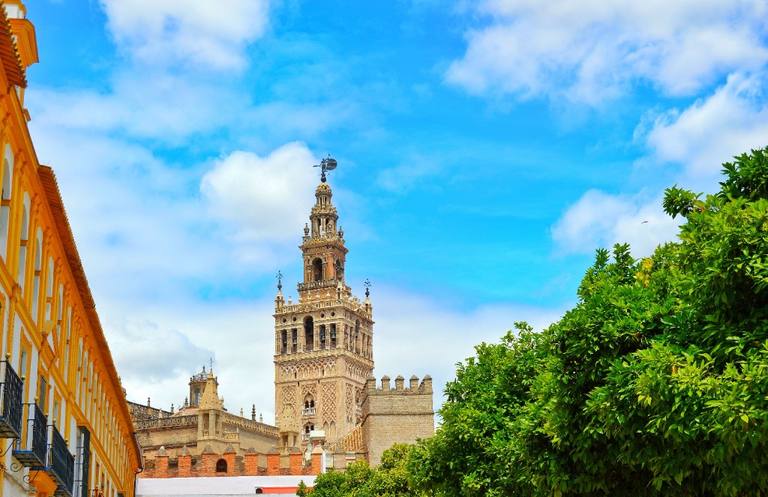
Giralda: how did a minaret become Seville’s symbol?
The Giralda did not survive by remaining unchanged. Its lower Almohad tower became part of a Christian cathedral, later gained a Renaissance bell stage and continued to define Seville’s skyline.
Read →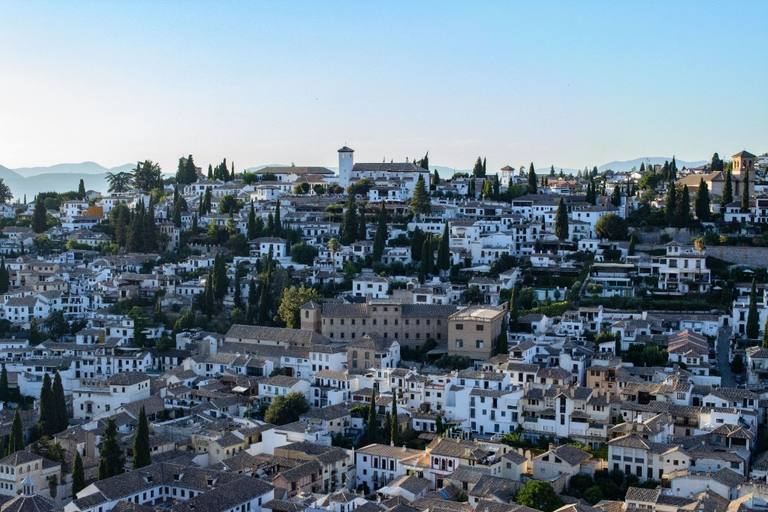
Why do the Alhambra and Albayzín face each other in Granada?
The famous view across Granada is not a staged composition. The Alhambra and Albayzín occupy two neighbouring hills separated by the Darro — a palatine city and a residential city that still explain one another.
Read →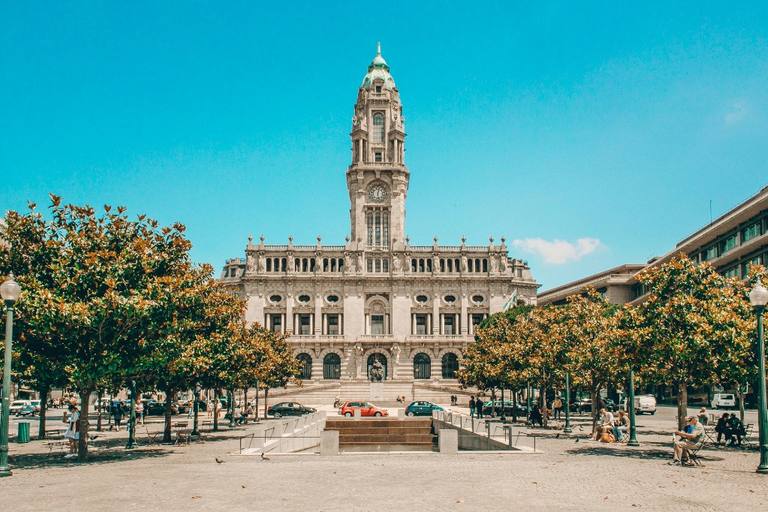
Why can’t Porto be understood without the Douro?
The Douro is not the view beside Porto. It is the working geography that connected the city with the wine valley, Gaia’s cellars, Atlantic trade and the bridges that still organise movement today.
Read →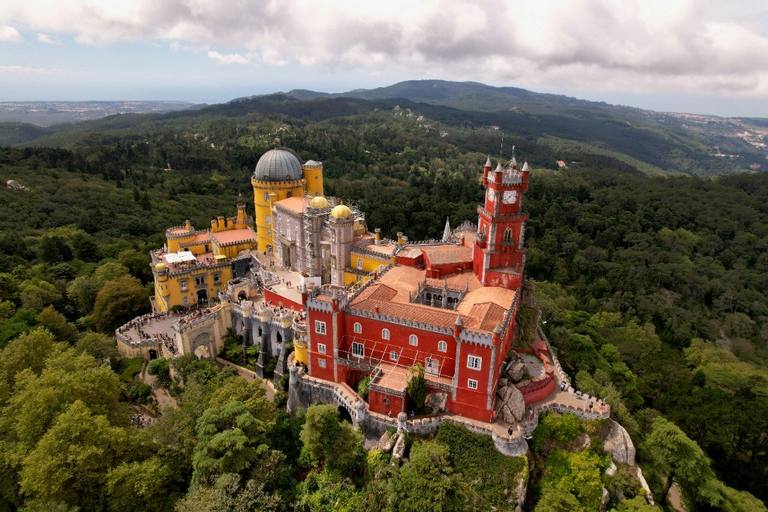
Why does Sintra look so different from the rest of Portugal?
Sintra’s strangeness is not the result of one colourful palace. Forested granite hills, older royal sites and nineteenth-century Romantic design were layered together until architecture and landscape became difficult to separate.
Read →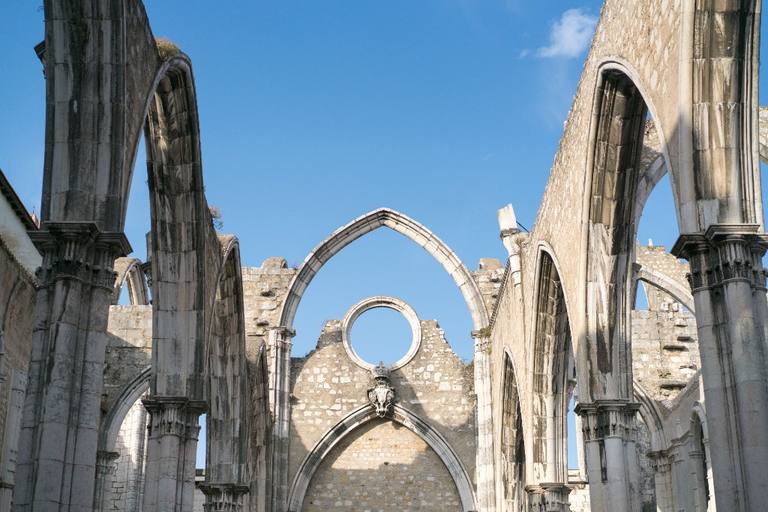
Why is Carmo still roofless?
Carmo’s open Gothic arches look like a deliberate memorial to the earthquake of 1755. The real story is more interesting: reconstruction began, stopped in 1834 and was later abandoned in an age that had learned to value ruins themselves.
Read →