

Belém Tower
Belém, Lisbon
Built on the Tagus during the reign of Manuel I, Belém Tower brings defence, royal symbolism and the maritime imagination of early-sixteenth-century Portugal into one compact monument.
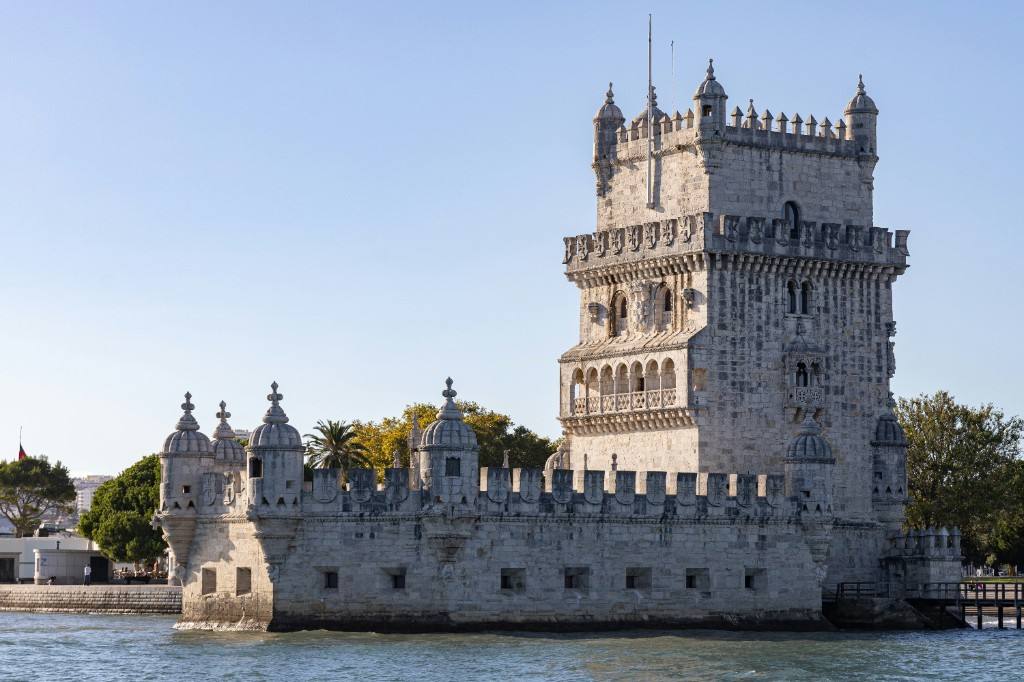
Belém Tower was built between 1515 and 1520 during the reign of Manuel I. Its position on the Tagus gave it a defensive and observational role connected with the approach to Lisbon by water. Although the riverfront has changed around it, the building still makes more sense when read as part of a working estuary rather than as an isolated stone object.
Architecturally, the tower belongs to the Manueline period. Rope-like carvings, royal heraldry and dense stone ornament connect a military structure with the visual language of a monarchy increasingly identified with maritime expansion.
Belém Tower sits at the meeting point of practical defence and later national memory. Its original river position mattered militarily, but the building gradually acquired a much larger symbolic role as Portugal’s overseas past was remembered and celebrated.
That second life is important. Today the tower is one of the country’s most recognisable monuments and forms part of a UNESCO World Heritage property with Jerónimos Monastery. The two buildings are close in space but explain different parts of the same period: one is a religious and dynastic foundation, the other a fortified river structure.
The tower rose at the beginning of the sixteenth century when Lisbon’s western riverfront was deeply connected with Portugal’s expanding maritime activity. Its defensive function placed it inside the practical infrastructure of the estuary rather than outside history as a ceremonial monument.
In later centuries, military usefulness became only one part of its identity. The tower was increasingly read as a symbol of the voyages and overseas empire associated with Manuel I’s reign. This shift from infrastructure to memory explains why descriptions of Belém Tower often mix documented function with later stories about departures.
What might be worth noticing?
Look first at the contradiction between form and purpose. The tower is defensive architecture, yet its stone surface is unusually elaborate. Rope-like carving and royal symbols make the walls carry political imagery as well as military function. Then look back toward the river and the monastery: the tower belongs to a wider Belém landscape, not to itself alone.
A small detail
The strongest way to read the tower is to separate what the building did from what later generations wanted it to mean. Its strategic river position is part of its historical function; the image of a final gateway seen by departing sailors belongs more safely to public memory unless tied to a specific documented voyage. Keeping both levels visible makes the monument more interesting, not less.
Related articles
Related
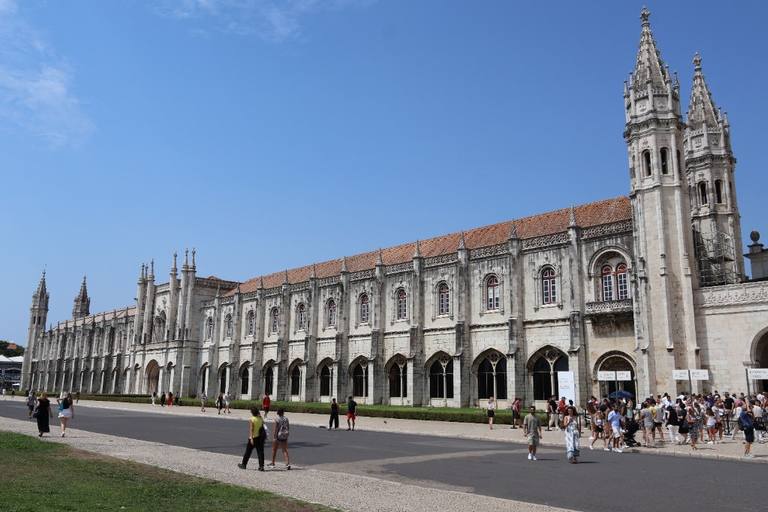
Jerónimos Monastery
At Jerónimos, religion, royal ambition and Portugal’s maritime expansion meet in the same stone. Its scale matters, but the story becomes clearer in the carved details.
Read →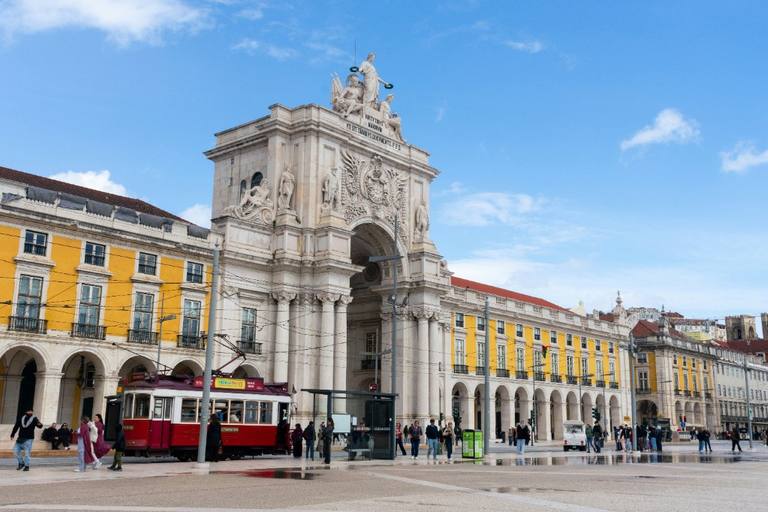
Praça do Comércio
Lisbon’s great river square is one of the clearest places to see how the city changed after 1755: a former royal site rebuilt as an ordered civic and commercial space facing the Tagus.
Read →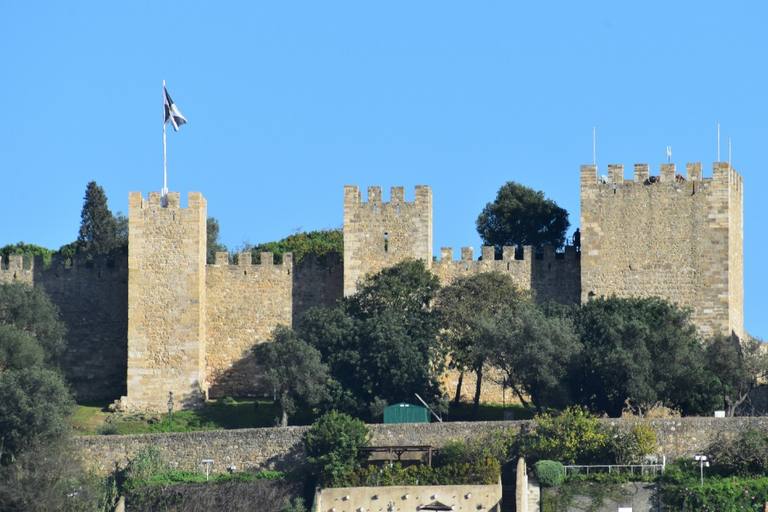
São Jorge Castle
Above Alfama, São Jorge Castle makes Lisbon’s geography and changing political history visible at the same time: a fortified hill whose meaning shifted as the city changed rulers.
Read →