

Culture
Is saudade enough to understand fado?
Fado and saudade are often placed side by side, as if one word could explain an entire musical tradition. Saudade helps — but Lisbon’s fado is also a performance, an urban history and a way of turning ordinary experience into song.
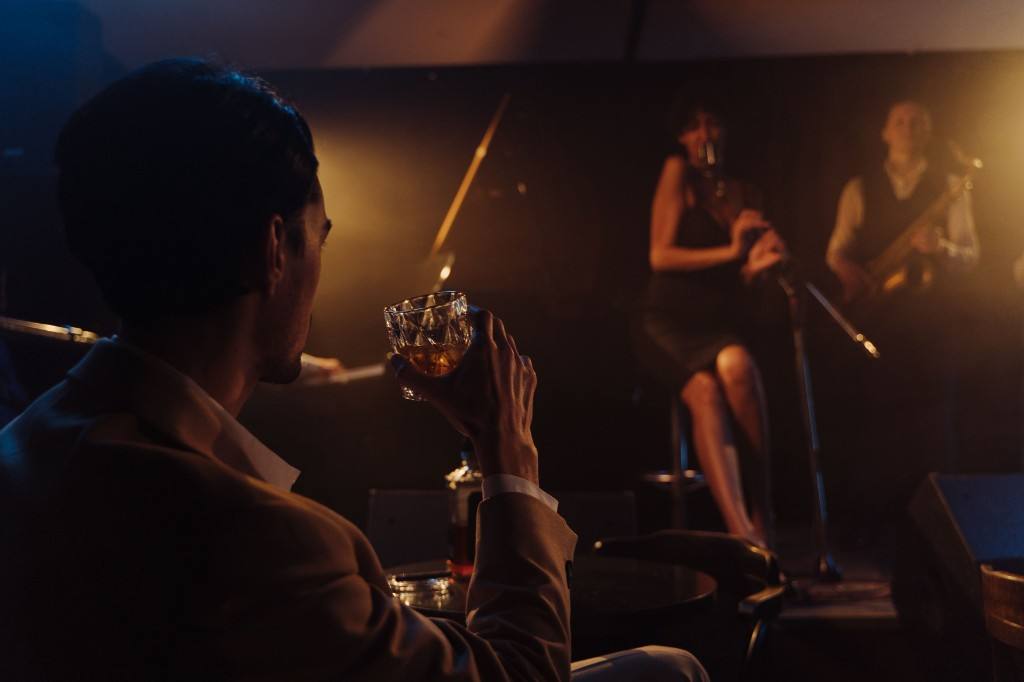
If fado is introduced in one sentence, saudade usually appears before the music itself. The word can point toward longing, absence and the complicated feeling of missing what may not return. Yet fado has never contained only one emotion. Its songs can carry grief, irony, desire, resignation, affection and the details of urban life. To understand it a little better, it helps to move from the feeling to the performance — and then back into the streets where the genre took shape.
Saudade is a useful door, not the whole room
Saudade is one of the words most strongly associated with Portuguese culture, and fado certainly gives longing and absence an important place. That connection is real enough to be useful. The problem begins when saudade is treated as a complete translation of fado — as if every song were simply a slow expression of national melancholy.
A fado lyric can be intimate or theatrical, personal or observational. The emotional range is wider than a single word allows. Even the Museu do Fado describes the tradition through ideas that include melancholy and longing but also passion, hope, happiness and love. Saudade may help us enter the atmosphere; it does not tell us what every song means.
Saudade can help us approach fado. It should not become a shortcut that stops us from listening.
Fado is something that happens between people
UNESCO defines fado as a performance genre combining music and poetry. Traditionally, a solo singer is accompanied by acoustic guitar and the Portuguese guitarra, the bright, metallic twelve-string instrument that gives much of Lisbon fado its instantly recognisable sound.
That arrangement matters because fado is not only a collection of compositions. Voice, words, accompaniment, silence and the room itself affect the performance. The singer does not need a large stage for the music to feel complete. In a small fado house, the distance between performer and listener can be part of the form: attention becomes one of the instruments.
This also explains why recordings tell only part of the story. A technically precise performance may be beautiful, but fado often depends on phrasing, restraint and the sense that the text is being lived through in the moment rather than simply reproduced.
Before it became a national symbol, it belonged to the city
The Museu do Fado places the genre’s emergence in the popular worlds of nineteenth-century Lisbon. Early performances took place in streets, taverns, gardens and informal social spaces, and the museum’s own history emphasises associations with sailors, coachmen, bohemian figures and marginal urban life.
That background complicates the polished image fado later acquired. The music was not born as an official soundtrack of Portugal. It grew inside a city of migration, port activity, nightlife and social boundaries. UNESCO likewise describes fado as a multicultural urban synthesis shaped by several musical traditions rather than a single pure origin.
Neighbourhoods such as Alfama became closely associated with the genre, but it is useful to avoid turning that connection into a simple birthplace myth. Fado belongs to a wider Lisbon network of people, venues and changing performance practices.
How a local song became a Portuguese image
Across the twentieth century, recording, radio, theatre, cinema, international touring and major performers carried fado far beyond its earlier neighbourhood settings. The genre gradually became one of the most recognisable cultural images of Portugal, while still remaining active in small venues and amateur associations.
That change is important because national symbols are rarely born national. They accumulate that role. Fado moved from popular and sometimes stigmatised contexts toward cultural prestige, professional stages and eventually UNESCO inscription in 2011.
The result is a tradition that can exist in several forms at once: intimate and commercial, local and international, inherited and continually remade. Treating only one of those forms as ‘authentic’ misses the way living traditions actually survive.
A better way to listen
Instead of asking whether a performance ‘has enough saudade’, it may be more useful to listen to the relationships inside it: how the singer enters after the guitar, where a phrase is held back, how silence is used and whether the words feel different after repetition.
- Listen separately to the voice and the Portuguese guitar, then notice when they answer one another.
- Pay attention to the words even if you only understand fragments; fado is as much poetry as sound.
- Notice the room. A quiet audience and a small space can change the performance.
- Do not expect every song to be sad. Longing is one colour in a much larger palette.
Related
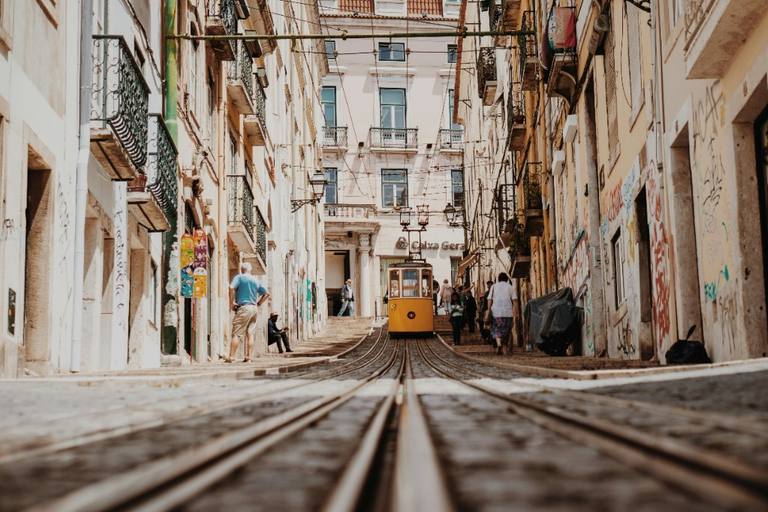
Why did Lisbon become a different city after 1755?
The earthquake, fires and tsunami of 1 November 1755 devastated Lisbon. The reconstruction that followed did something equally lasting: it changed the way the lower city was planned, built and walked.
Read →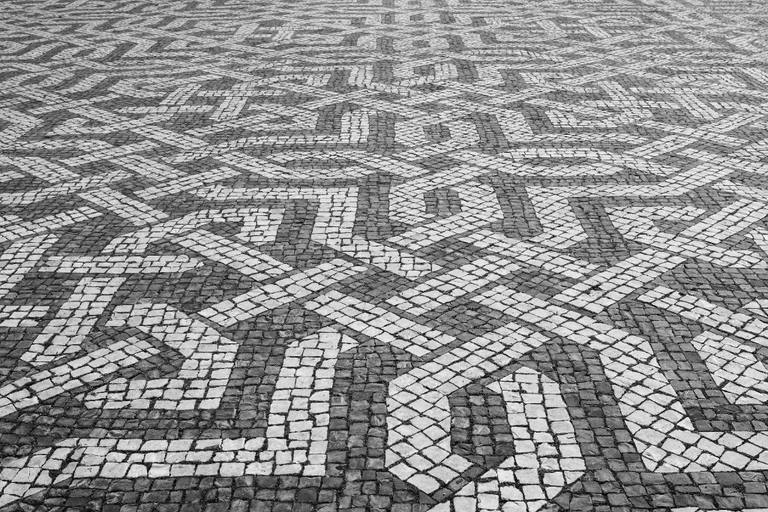
Why are Lisbon’s pavements black and white?
Calçada Portuguesa turns paving into a craft. Small pieces of stone, laid by hand, create patterns that have become part of the visual language of Lisbon and other Portuguese cities.
Read →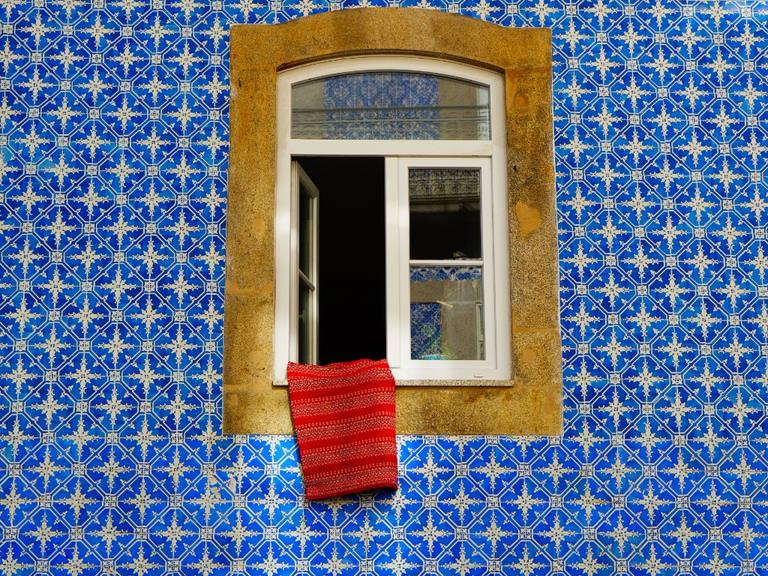
Why is Lisbon covered in tiles?
Azulejo is more than decoration. Over centuries, glazed tiles became part of Portugal’s architectural language — sometimes geometric, sometimes narrative, and still very much present in Lisbon’s everyday streets.
Read →